
About Visual UniVRs
Visual UniVRs is a VR and augmented reality development studio specializing in immersive experience development, 360-degree video production, WebXR, and spatial computing. We work with clients across the US and globally – in healthcare, education, training, entertainment, tourism, and therapy

Years of Building Digital Products
We’ve been at VR since 2015, back when 360-degree video was the frontier. Today our clients include Mayo Clinic, Hulu, and the United Nations. We’re not a faceless agency. We’re not freelancers either. We’re a tight team of people who genuinely care how the work turns out
100+
Projects Shipped
7+
Years average team experience
20+
People on the team
10+
Industries Served
$5M
Raised by client using our MVPs
Origin story
We started by stitching reality, frame by frame
Visual UniVRs didn’t begin with a pitch deck or a market analysis. It began with a group of videographers and VFX artists who were obsessed with 360-degree video – the kind of work that puts you inside the frame, not just in front of it.
In those early years, we built immersive video experiences that felt real. But we kept hearing the same thing from clients: watching wasn’t enough. They wanted to touch the world we’d created.
So we evolved. By 2019, we were building full mixed reality experiences. The cinematic instincts we’d developed – the care around lighting, narrative, pacing – came with us. Now we pair that with AI tools that help us produce content faster and build smarter in-app interactions.
That’s still the core of what we do. Technology is cold until you give it a heartbeat. That hasn’t changed since day one.
How we work
Most studios need a locked spec. We don’t.
Here’s the thing: the early stage is messy for everyone. The idea isn’t fully formed. The brief keeps shifting. Most studios find that uncomfortable. We find it interesting. It’s actually where we do some of our best work.
In practical terms, this means we start with a lean, fully functional MVP (minimum viable product). You test it, gather feedback, and decide what comes next. That structure protects your budget upfront, keeps pricing predictable, and means you’re never betting everything on something that hasn’t been validated yet.
Start with the problem, not the spec
If you come to us with “I have an idea but I’m not sure how to build it,” that’s a normal starting point. We’ll work through it with you. We do not just take a brief and disappear
Pick the simplest tech that works
We don’t pick platforms to impress you. We pick what solves the problem well. If something would blow the budget without adding real value, we’ll tell you and suggest a smarter path
Tight feedback loops throughout
You won’t get a weekly PDF and then radio silence. We share work-in-progress early and often. Small issues caught early are a fraction of the cost of big ones caught at the end
AI-integrated production workflows
Where it makes sense, we use AI tools directly in our production pipeline – speeding up asset creation, iterating on visuals faster, and prototyping interactions earlier in the process. We also build AI-powered features inside apps themselves: interactive avatars that hold real conversations, natural language commands in VR, and more
We never want clients locked into us. We build things you can maintain, extend, hand off – whether that’s to your own team or another studio entirely.

Dmitri Lapchinski
CEO & XR Solutions Architect
Track Record
The work speaks louder than anything on this page.
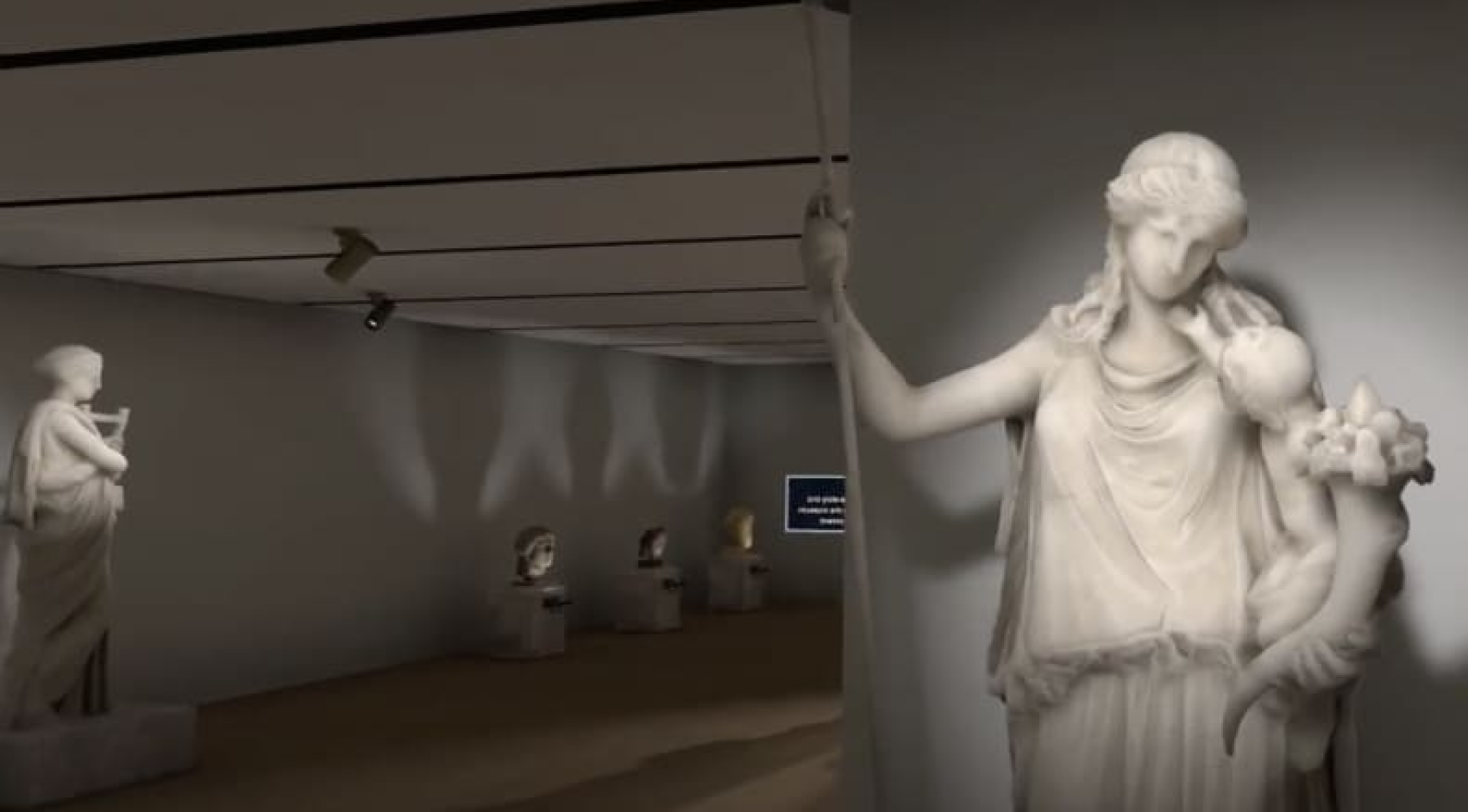
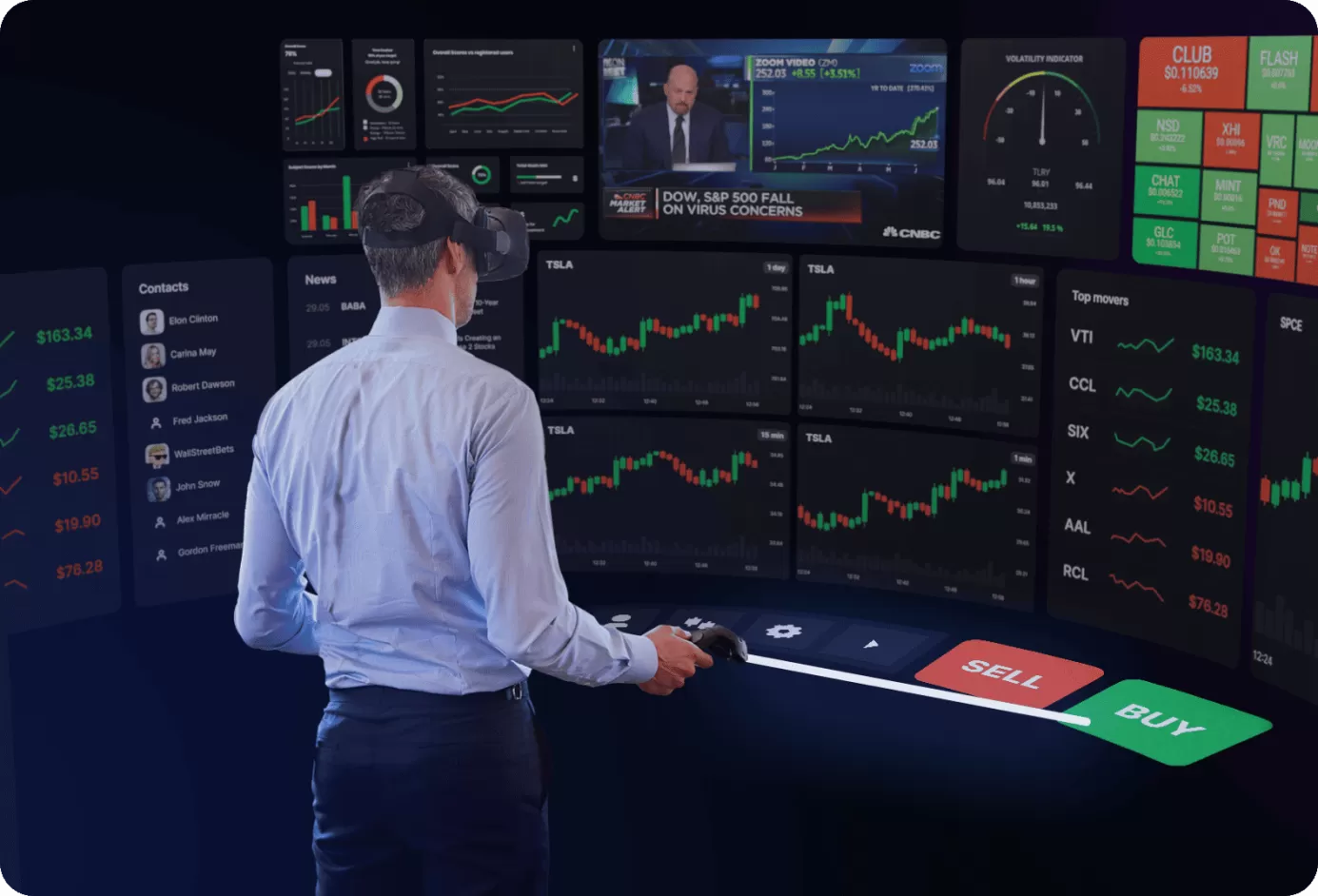
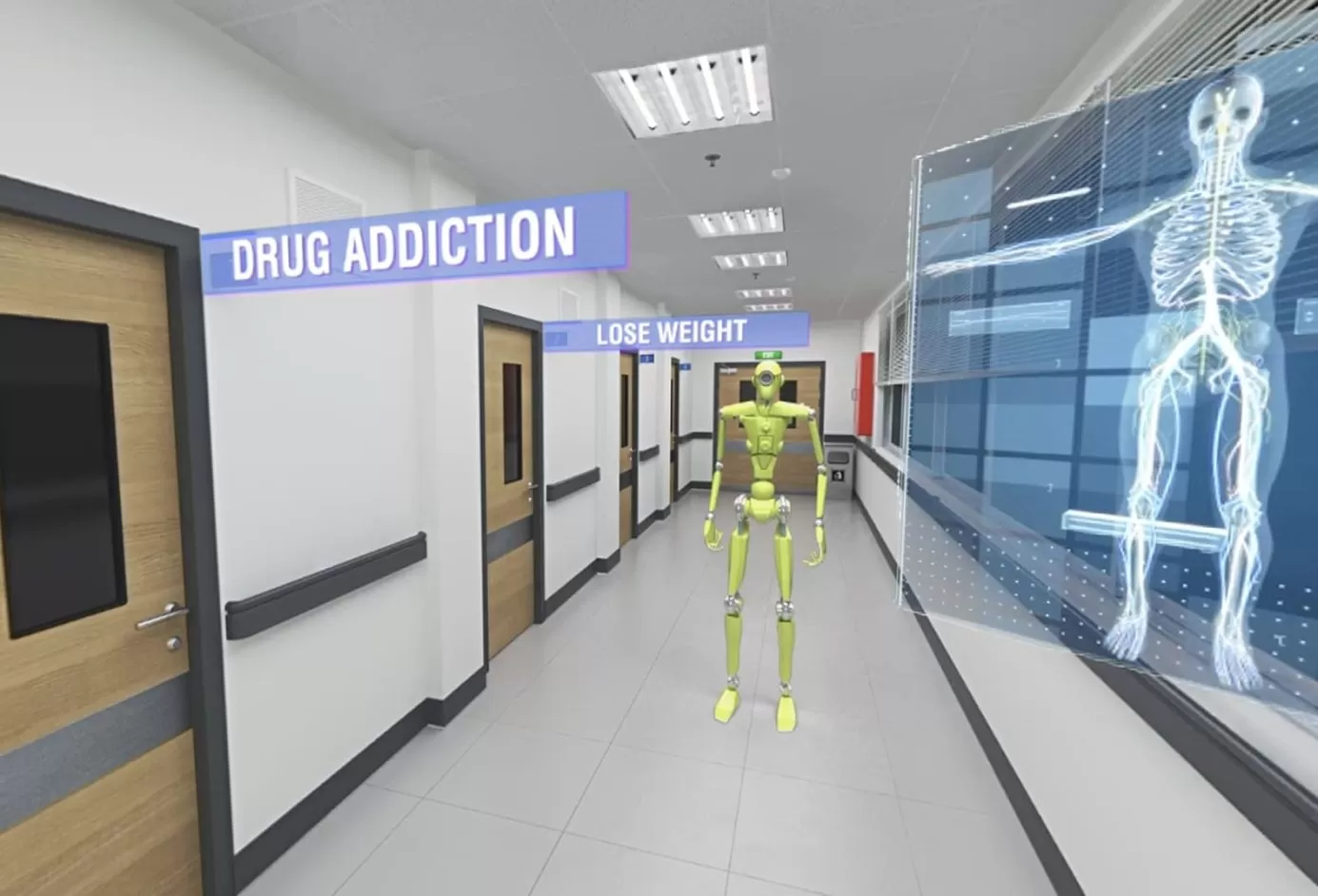
We’ve worked on VR healthcare at one of the world’s most respected medical centers, broadcast-quality VR
for the Olympics, award-winning educational apps, and everything in between. Here’s a snapshot.
How `Chaos Corp.` Teaches Digital Literacy by Gamifying Disinformation

Who we work with
We’re honest about who’s a good fit.
Most organizations don’t have the in-house AR/VR expertise, and hiring for it is slow. The clients who get the most from working with us come to us because they want a team that’s already solved the problems they’re about to face. And often there’s a pitch, a grant, or a board presentation behind the deadline – we get that
Good fit
- Enterprise or growth-stage organizations in healthcare, education, training, or entertainment
- Teams exploring VR/AR for the first time who need a guide – not someone who’ll oversell them
- Organizations with a vision they can’t execute in-house – VR/AR is a specific craft, and hiring for it is slow
- Companies that tried another studio and the result didn’t land – we’ve rescued more than a few concepts
- Projects with a real purpose: training pilots, helping patients, teaching students, building new products in the XR space
- Founders, CTOs, and Heads of Innovation who want a creative partner, not just an executor
Not the right fit
- Projects outside our tech stack – traditional web development, for example. We’ll be upfront and point you to someone better
- Anyone who wants VR/AR as a marketing novelty with no real use case behind it
- Projects where “locked spec from day one” is a hard requirement and there’s no room for creative input
- Teams that need a hands-off vendor relationship – we stay close by design, and that’s not for everyone
Meet the team
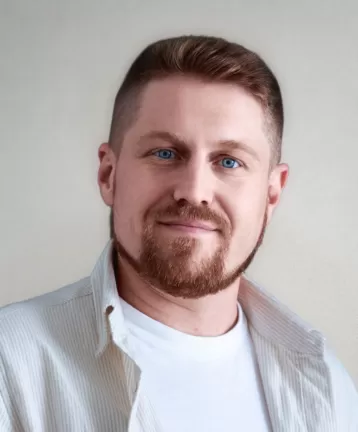
Dmitri Lapchinski
CEO & XR Solutions Architect
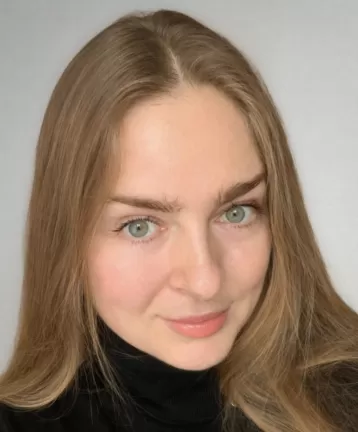
Nadya Yatsenko
Chief Business Growth Officer
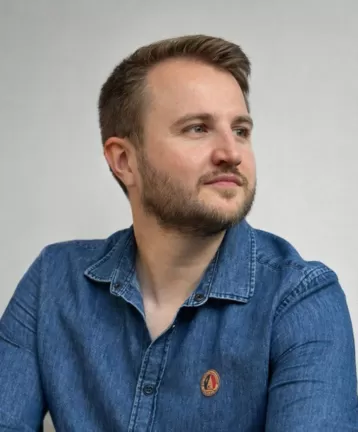
Nikita Severin
Chief Product Owner
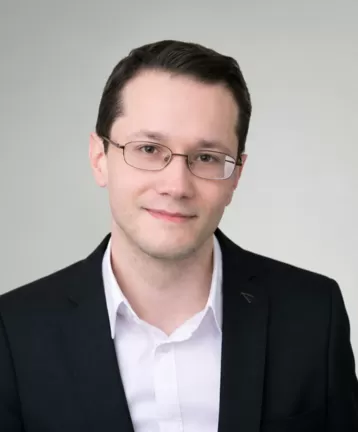
Sergei Nikitin
Lead VR Developer & Game Designer
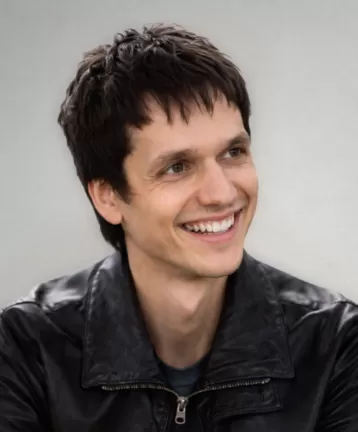
Aleh Patseyeu
Senior Unity Developer

Vlad Potapov
3D Generalist & Technical Artist
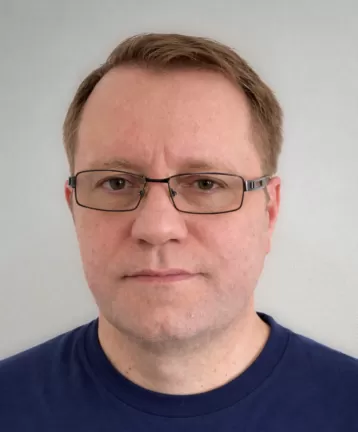
Roman Shevchenko
Full-Stack Web Developer

Muhammed Ali
Back-End Developer
Not a big agency. Not a freelancer.
We’re 20+ people – a mix of full-time core team members and dedicated specialists brought in for specific project needs. The average experience across the team is over seven years. Several people have been working in VR and AR for well over a decade – our roots in 360-degree video and VFX go back to 2015, before most organizations had even started asking what XR could do for them.
What makes us different from a pure-tech studio is the background. Many of us came up through cinematography, VFX, and visual storytelling. That shapes how we approach everything – we don’t just write code that runs, we build experiences that feel considered. The team is also genuinely international, which makes working across time zones and cultures a lot more natural than it sounds on paper.
On the technical side, the team works in Unity and Unreal Engine, with Apple Vision Pro and Meta Quest 3 in-house, and hands-on experience integrating external hardware like haptic gloves and biofeedback sensors.
 XR Solutions Architecture
 Unity Development
 Unreal Engine
 3D Modeling & Animation
 VFX
 360° Video Production
 AI Integration
 UI/UX Design
 Back-End Development
 Project Management
 visionOS
 Haptic Hardware
FAQs About Our VR & AR Development Process
Is VR/AR development expensive?
A lot of people assume it has to be expensive, risky, a long commitment before you know if it works. It doesn’t have to be, if you structure it right. We start with a minimum viable product – a fully functional version of your experience built to a defined scope. You test it, validate the concept, and decide whether to continue. That keeps the initial investment small and the risk low. Full-scale production projects can run 6-12+ months, but most clients start with a 5-day proof of concept first.
What types of projects are you best suited for?
Projects that have a real purpose behind them – in healthcare, education, training, therapy, tourism, and entertainment. We’re at our best when the work matters to someone: students learning history in VR, patients managing pain, pilots training before their first flight, or visitors exploring a city through AR. We also do well with projects that start messy – where the idea exists but the brief doesn’t yet.
What platforms do you build for?
Meta Quest (all generations), Apple Vision Pro, SteamVR, WebXR (browser-based, no headset required), iOS and Android for AR and mobile experiences, and cross-platform deployments covering multiple targets from a single codebase. We have Meta Quest 3 and Apple Vision Pro in-house for testing.
Do you work with organizations that have never done VR/AR before?
Yes, that’s actually one of the most common situations we work in. A lot of clients come to us precisely because they don’t have in-house XR expertise and don’t want to hire for it. We’ve guided organizations from their first conversation about immersive technology all the way through to a published product.
Can you take over a project another studio started?
We’ve done it. If the concept is sound but the execution didn’t land, we’ll assess what’s there and figure out the most efficient path to something that works. We won’t pretend a rescue is straightforward – it depends entirely on what we’re inheriting – but we’re not afraid of the conversation.